
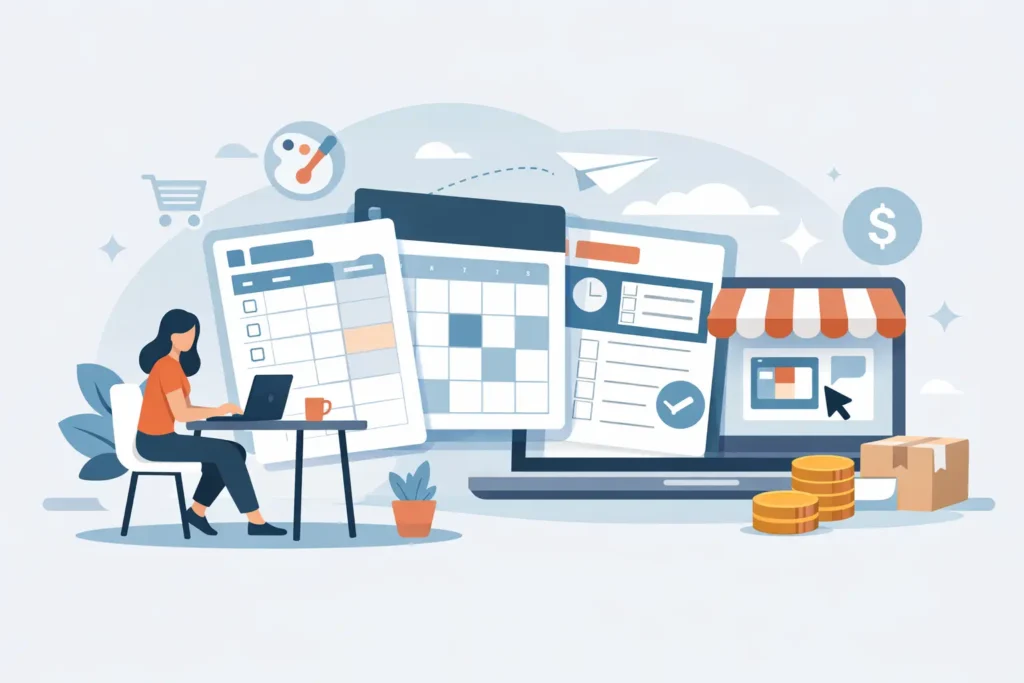
A printable planner can look simple on the surface, but it solves a very profitable problem: people want structure, motivation, and a system they can actually use. That is exactly why so many creators want to sell printable planners online. The demand is real, the overhead is low, and unlike physical products, you do not need inventory, shipping, or a spare room full of boxes to get started.
The real opportunity is not just making a planner. It is building a digital product people are already searching for, packaging it in a way that feels useful, and putting it in front of buyers who are ready to spend. If you want a low-cost way to start building online income, printable planners are one of the easiest entry points because they combine practicality with repeatable sales.
Why printable planners are a smart digital product
Printable planners sit in a sweet spot between affordability and perceived value. A customer can spend a small amount and feel like they are getting a tool that improves their life right away. That makes planners easier to impulse-buy than many larger digital products.
They also work across multiple niches. Some buyers want daily productivity pages. Others want meal planners, budget planners, fitness trackers, wedding planners, homeschool planners, or business planning systems. That variety matters because broad products can get lost, while niche products often sell faster.
There is also a major speed advantage. You do not need to build software, film a course, or manage fulfillment. Once your files are finished, uploaded, and positioned correctly, the product can keep selling with very little maintenance. That is the kind of model side hustlers and beginner sellers can actually stick with.
Choose a planner niche before you design
One of the biggest mistakes beginners make is trying to create a planner for everyone. That usually leads to a generic product that feels easy to skip. Buyers respond better when a planner feels made for their exact situation.
If you want to sell printable planners online successfully, start by choosing a specific market. A planner for busy moms, real estate agents, students, entrepreneurs, brides, or fitness beginners has a stronger sales angle than a planner labeled simply as “life planner.” The more clearly the buyer sees themselves in the product, the easier the sale becomes.
That does not mean you need to go so narrow that nobody is searching for it. A niche should still have enough demand to support consistent sales. The sweet spot is a clear audience with a clear problem. Think less about making the prettiest planner and more about solving a routine struggle.
What makes a printable planner worth buying
Design matters, but usefulness matters more. A printable planner sells when it feels easy to use and immediately relevant. Customers want pages that help them plan faster, stay organized, and keep going.
A strong planner usually has a clean layout, readable fonts, enough white space for writing, and a clear structure. It should feel organized without becoming cluttered. Visual style helps attract clicks, but functionality closes the sale.
You also need to think about how people print. Heavy background colors can drain ink. Tiny text can frustrate buyers. Oversized page elements may not print well on standard paper. A planner that looks amazing on screen but works poorly at home will create unhappy customers.
Bundling helps too. A single weekly page may be harder to sell than a planner set that includes daily, weekly, monthly, and goal-setting pages. Buyers love feeling like they are getting more value, and bundles often justify higher pricing without much extra work.
Create faster without starting from zero
This is where smart sellers move differently. You do not always need to build every page from scratch. If you have access to templates or editable digital assets with the right usage rights, you can speed up production, rebrand strategically, and focus your energy on positioning and sales.
That matters if you are short on time, not confident in design, or trying to launch quickly. For many beginners, execution is the bottleneck. They spend weeks tweaking aesthetics when they could already be selling. Ready-made assets can help you move faster, especially if your real goal is creating income, not winning a design contest.
The key is not to copy and upload lazily. Customize the product so it has a clear brand angle, a polished look, and a specific customer promise. Speed is an advantage only when it still results in something buyers can trust.
How to price printable planners online
Pricing is part psychology, part positioning. Go too low and buyers may assume the planner is basic or low quality. Go too high without strong perceived value and you will lose impulse purchases.
For many printable planners, the entry-level range works well because it feels affordable and easy to justify. But the exact number depends on the niche, the bundle size, and how polished the offer looks. A basic set may sit at the lower end, while a niche business planner or full productivity bundle can command more.
It also depends on your strategy. If you want volume, lower pricing can help. If you are building a more premium brand, stronger visuals and more complete bundles can support a higher price point. Neither approach is automatically better. It depends on your traffic, audience trust, and how you plan to market.
One smart move is offering tiers. A simple planner can bring in first-time buyers, while expanded bundles, matching inserts, or related templates can increase average order value. That is where digital products become more than one-off sales.
Product pages that actually convert
A good planner will not sell if the listing is weak. Your product page needs to answer the buyer’s silent question: why this one?
Use product images that show the planner clearly. Include multiple page previews, close-up details, and lifestyle mockups if they fit your brand. Buyers want to picture themselves using it.
Your copy should focus on outcomes. Instead of just listing “12 pages included,” explain what those pages help the customer do. Save time planning the week. Track habits more consistently. Stay focused on monthly goals. Make the benefit obvious.
Clarity matters more than hype. Tell buyers what they will receive, what file types are included, what paper size it is designed for, and whether the planner is undated. The fewer doubts they have, the easier it is for them to click buy.
How to market and sell printable planners online
Traffic is where a lot of sellers stall. They create the product, upload it, and wait. That is not a strategy. If you want to sell printable planners online consistently, you need a simple system to get eyeballs on your offer.
Pinterest works well because planner content is visual and searchable. Short-form content can work too, especially if you show the planner in use, walk through the pages, or demonstrate how it solves a specific problem. Email is powerful if you build a list with a free sample page, mini planner, or productivity freebie.
Search-friendly titles and descriptions matter on marketplaces and storefronts because buyers often search by need. They are not typing “cute page bundle.” They are searching for terms like student planner, budget binder, wedding checklist, or daily productivity printable.
The best marketing angle is usually not “look at my planner.” It is “here is the problem this planner helps you fix.” That shift makes your content more persuasive fast.
Build a business, not just one listing
A single planner can make sales, but a product line builds momentum. Once someone buys one planning product from you, they are more likely to buy matching inserts, themed bundles, and related templates.
That is why it makes sense to think bigger than one file. A meal planner can lead to grocery lists and habit trackers. A business planner can lead to social media planners, content calendars, and goal-setting sheets. A wedding planner can expand into invitation templates, checklists, and budgeting pages.
This is also where a digital product brand becomes powerful. You are not just selling pages. You are creating assets people return to because they trust your style, your clarity, and your ability to make life or business easier. Brands that focus on convenience and speed often win because customers do not want more complexity. They want something they can download and use today.
If you want to move faster, using done-for-you design resources or resell-friendly assets can shorten the gap between idea and launch. That is one reason marketplaces like How To Make Money Online Store appeal to beginners who want monetization-ready tools without spending months creating every asset from scratch.
The biggest mistake to avoid
Do not treat printable planners like passive income from day one. They can become passive, but only after the product, positioning, and marketing are working. At the start, this takes testing.
You may need to refine the niche, improve the mockups, adjust the price, or rewrite the title. Sometimes the planner is fine, but the offer is too broad. Sometimes the design is attractive, but the pages are not practical enough. Small changes can make a big difference.
The good news is that digital products are flexible. You can improve them without dealing with leftover stock or expensive reprints. That makes printable planners one of the most forgiving products for new sellers.
If you have been waiting for a sign to start, this is it. Pick a niche people already care about, create something useful, package it like a real solution, and get it in front of buyers. Your first planner does not need to be perfect. It needs to be live, clear, and built to help someone take action.